We talk a lot about Mental Health. On stress, exhaustion and mental health. For businesses, this is an important, but very broad field. Because not every strain arises at work and not every one can be influenced by occupational health management.
However, one area lies directly within the sphere of influence of companies: the working day itself.
How long do we work under high cognitive load? When are we truly focused? When does our system need recovery? How much do we move? And what happens when load follows load for hours on end without any real regeneration taking place?
For us, this is precisely where cognitive health in the workplace begins.
Focused work is allowed to be demanding. Difficult tasks require attention, and high cognitive strain is not automatically problematic either.
What is crucial is the pattern. Intense phases must be followed by recovery. Long periods of sitting by movement. Concentration by a moment in which body and mind can wind down again. In everyday life, however, we are still missing an essential part of this picture.
Surveys show how employees perceive their situation. Health reports show consequences. Productivity metrics show results. But what happens in the hours in between?
Precisely there are formed the patterns that make a working day healthy or stressful in the long run.
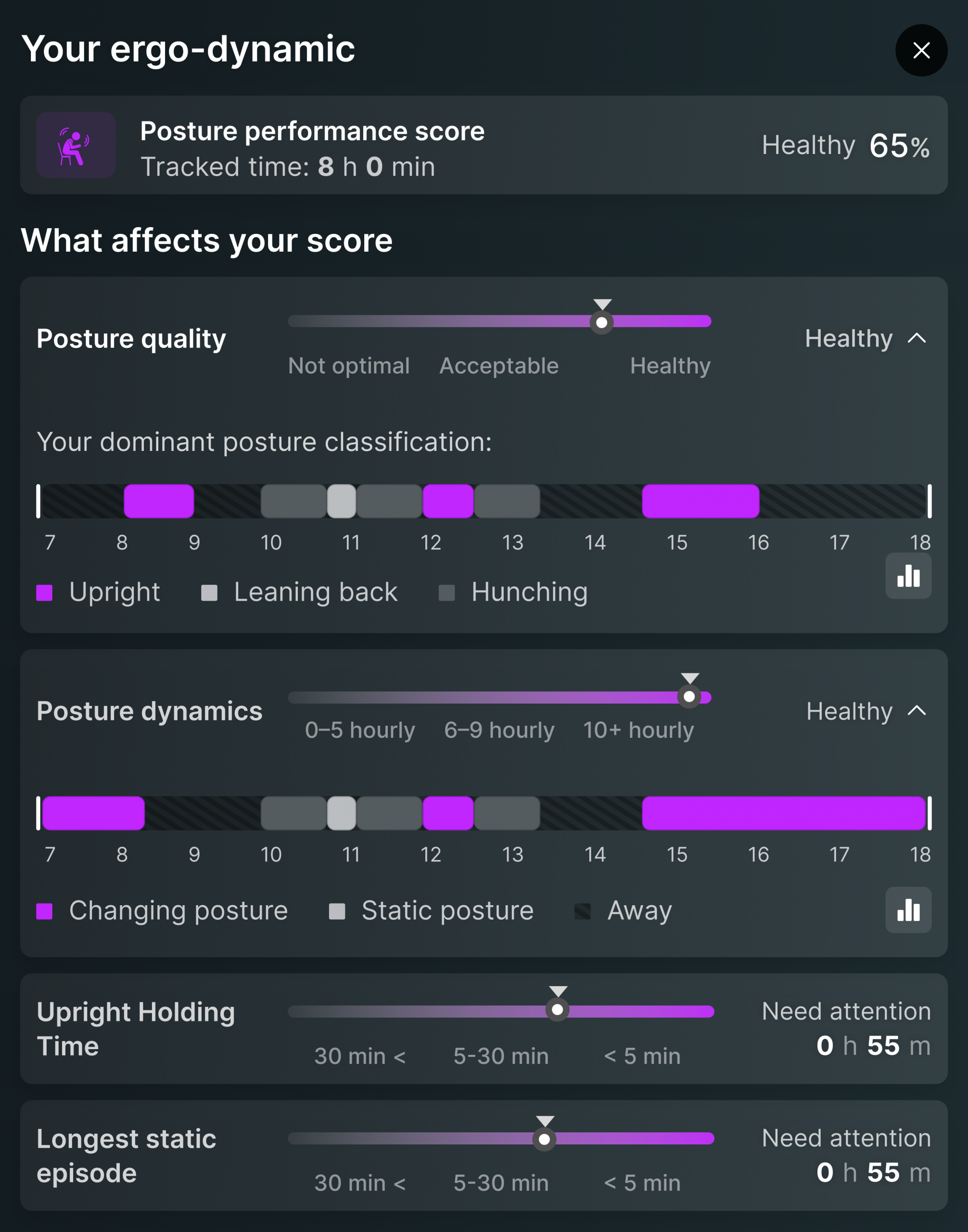
Deep Care has been looking into how health can be understood and influenced directly during work for years. This has resulted in Isa created. Isa is located right at the workstation and uses contactless sensors to detect posture, movement and relevant environmental factors, amongst other things. Processing takes place locally on the device and without a camera image.
However, as usage and research increased, it became clear: A healthy working day cannot be reduced to ergonomics.
Anyone who has been working with intense concentration and almost no movement for two hours doesn't just have a posture problem. Perhaps this time was highly productive. Perhaps cognitive strain is increasing at the same time. Perhaps a short burst of movement right now would be precisely the right physical and cognitive intervention.
Body, focus and recovery do not happen separately from one another. They happen on the same working day.
In collaboration with academic partners, Deep Care has been researching for several years how strain, behaviour and recovery in the workplace can be better understood.
This includes collaborations with the Fraunhofer Institute for Computer Graphics Research IGD and the Institute for Human Factors and Technology Management of the University of Stuttgart. Insights from these research projects are continually incorporated into the further development of Isa.
Thus, the perspective on posture and movement is increasingly expanded by cognitive load, focus and recovery.
Not to read minds or diagnose mental illnesses. But to be able to answer a very specific question better:
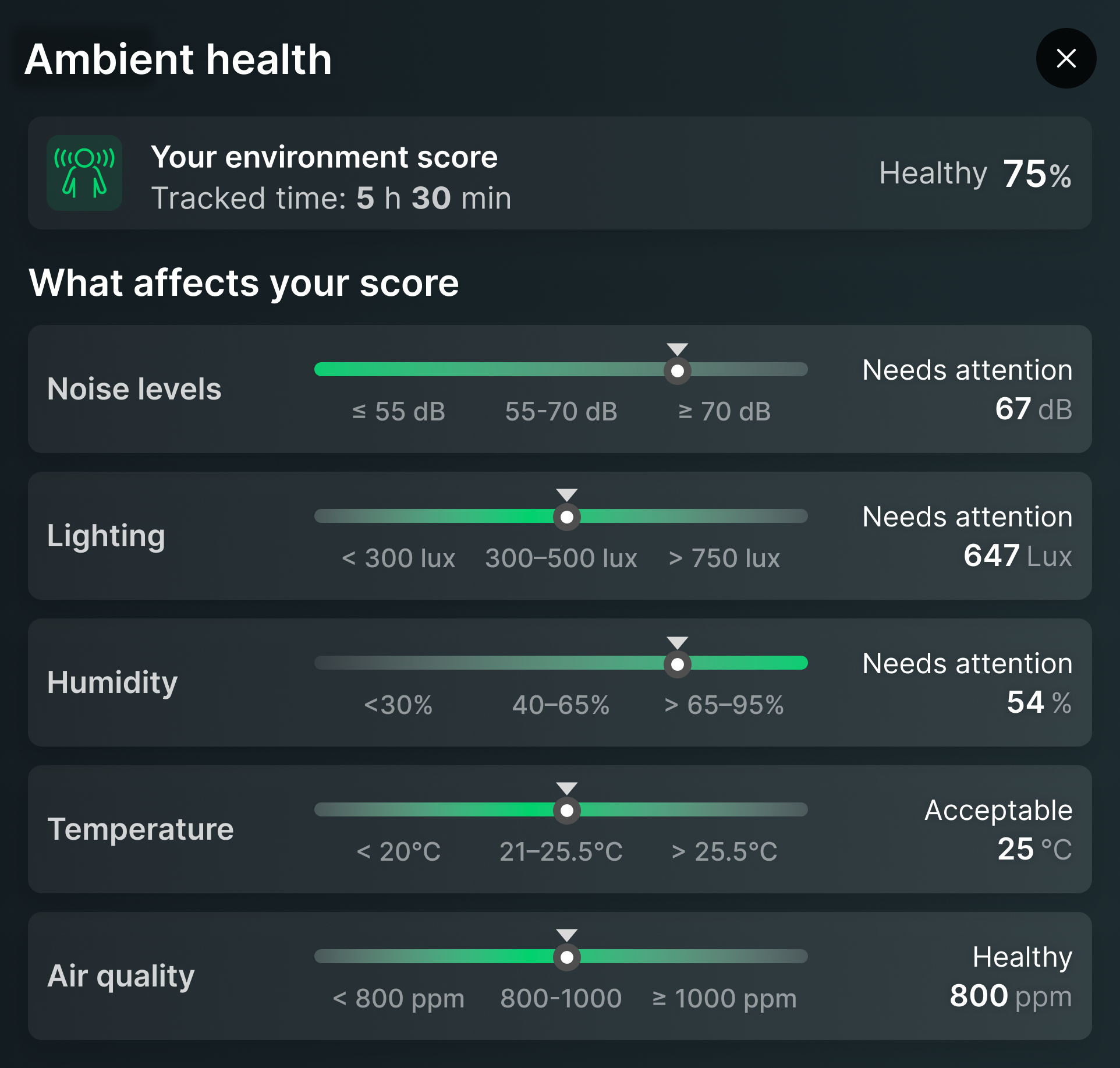
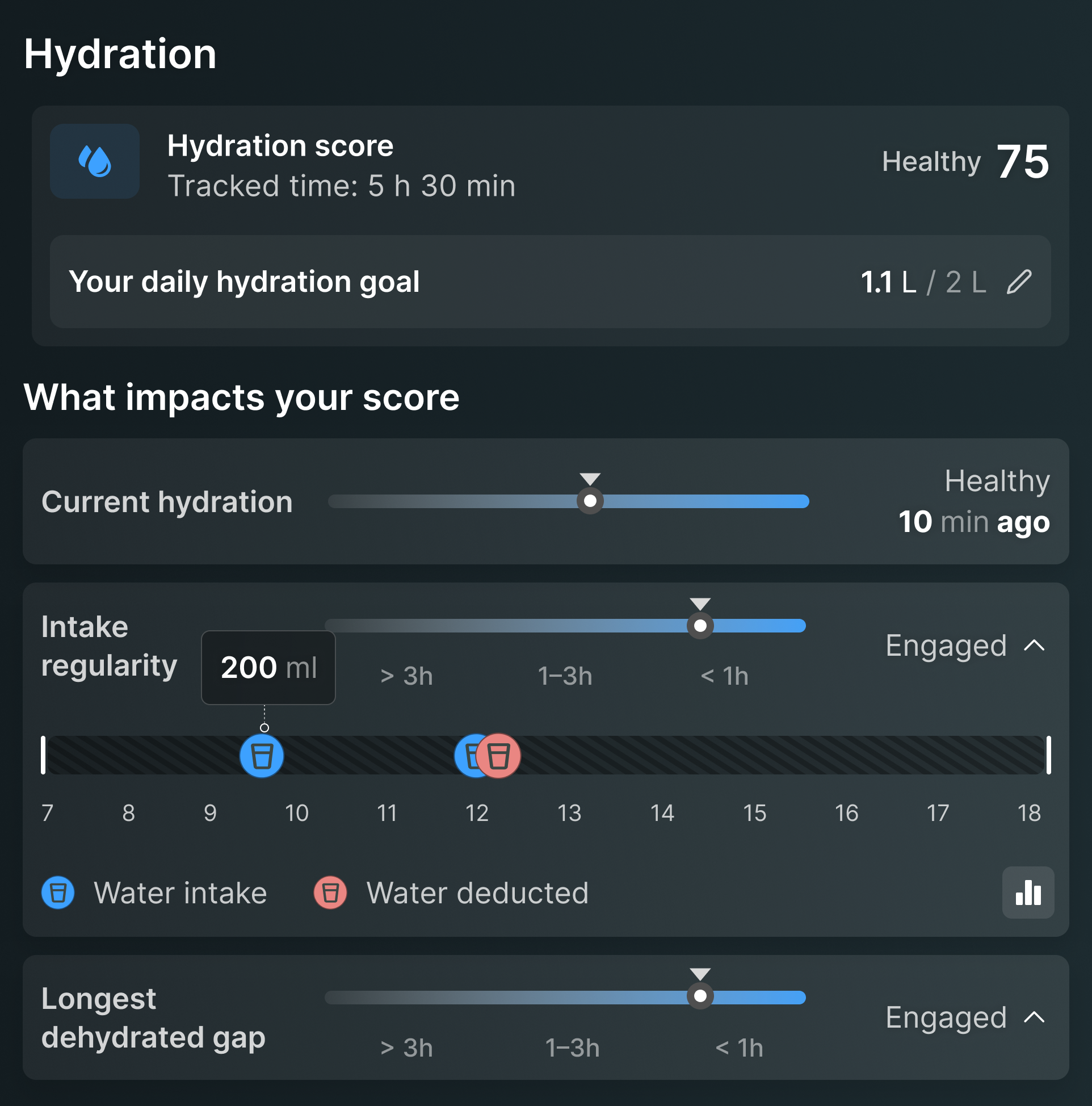
Isa considers various signals of the working day in context for this.
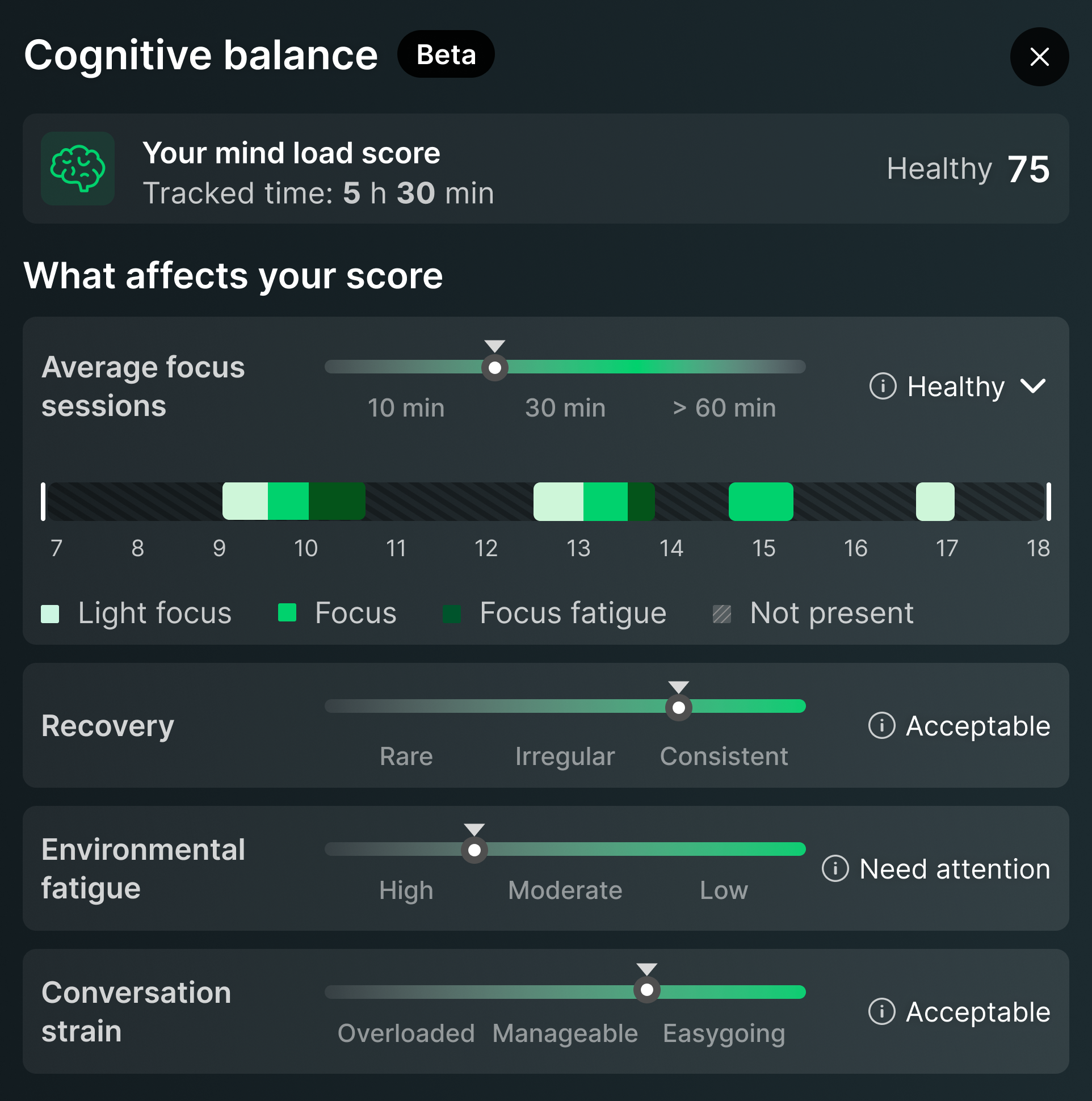
How long does an intensive working phase last? How do focus and strain develop? Was there sufficient movement and recovery? What working conditions are also present?
This creates a much more complete picture of the working day than a single questionnaire or a one-off measurement.
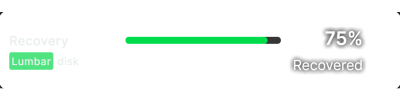
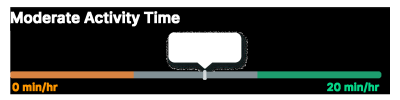
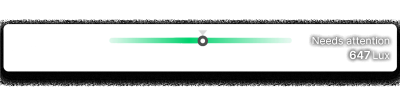
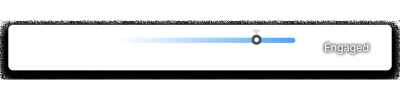
Another health score doesn't make anyone any healthier. It only gets interesting when insight turns into behaviour.
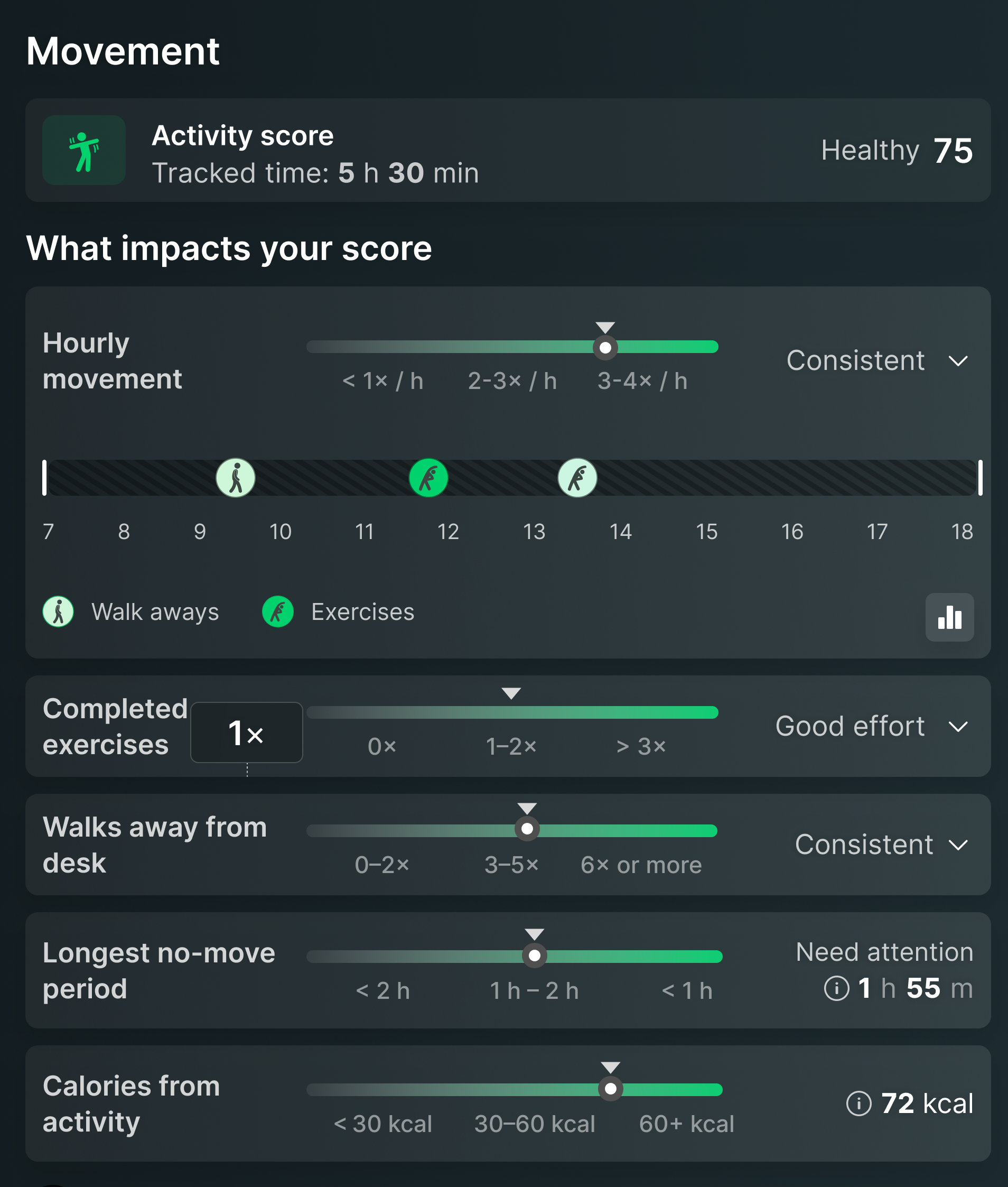
Isa therefore provides support directly during work. Sometimes that means changing posture. Sometimes standing up or moving around briefly. Sometimes drinking consciously. And sometimes a moment of recovery is more important than the next task.
The aim is not to interrupt as often as possible. But rather giving the right impetus at the right moment.
Back classes, workshops, movement challenges, mental health programmes or health apps can be valuable.
However, they share a common challenge: Meanwhile, the work itself continues as before.
Yet many people spend a significant part of their day right there. The crucial question is therefore not only: What healthcare services do we provide? Instead:
By better understanding how physical strain, cognitive load, focus and recovery interact during a working day, we can intervene earlier.
Not just when there are complaints. Not just in the next survey. Not just after work.
But while we are working.
You are currently viewing a placeholder content from Facebook. To access the actual content, click the button below. Please note that doing so will share data with third-party providers.
More InformationYou are currently viewing a placeholder content from HubSpot Embedded Content. To access the actual content, click the button below. Please note that doing so will share data with third-party providers.
More InformationYou are currently viewing a placeholder content from HubSpot. To access the actual content, click the button below. Please note that doing so will share data with third-party providers.
More InformationYou are currently viewing a placeholder content from Hubspot Meetings. To access the actual content, click the button below. Please note that doing so will share data with third-party providers.
More Information